


AI-powered personalization in e-commerce refers to the use of artificial intelligence technologies to tailor the shopping experience for individual consumers. By leveraging data analytics and machine learning algorithms, e-commerce platforms can provide a personalized shopping experience that meets the unique preferences and needs of each customer. This approach not only enhances customer satisfaction but also drives sales by increasing engagement and conversion rates. In 2026, AI personalization for online stores is projected to become an essential component of successful digital marketing strategies, as consumers increasingly expect tailored interactions with brands.
The rise of AI personalization can be attributed to the growing volume of online shopping and the vast datasets generated by consumer interactions. E-commerce personalization tools utilize this data to analyze customer behavior, enabling businesses to predict preferences and recommend products accordingly. For instance, smart recommendation systems suggest items based on past purchases or browsing history, enhancing the shopping experience and encouraging repeat visits. AI product recommendations are designed to not only meet immediate needs but also suggest complementary products, thereby boosting average order values.
Moreover, AI-driven marketing for e-commerce platforms incorporates personalized email marketing AI features. By analyzing customer data, businesses can craft tailored emails that resonate with their target audience, leading to higher open and conversion rates. Furthermore, AI customer behavior analysis enhances marketing strategies by identifying trends and patterns in shopping habits, allowing companies to optimize their campaigns and product offerings efficiently. Overall, the integration of machine learning in e-commerce enables businesses to adapt swiftly to market demands and consumer preferences, positioning AI personalization as a pivotal trend in the upcoming years.
The Role of Data in AI-Powered Personalization
In the realm of e-commerce personalization, data serves as the foundation upon which personalized shopping experiences are built. Effective AI personalization for online stores heavily relies on various types of data, including customer behavior data, purchase history, and demographic information. Understanding this data is crucial for e-commerce businesses seeking to leverage AI-driven marketing for e-commerce initiatives.
Customer behavior data encapsulates the actions and preferences exhibited by users on an e-commerce platform. This type of data can be collected through website interactions, such as page views, clicks, and time spent on specific products. By analyzing such information, machine learning in e-commerce can identify patterns and trends that inform personalized product recommendations. Furthermore, this data provides insights into how customers navigate the online store, enabling businesses to optimize user experience.
Purchase history is another pivotal element in the data ecosystem, as it reveals past transactions and consumer preferences. This information allows smart recommendation systems to suggest products that a customer is likely to purchase based on similar items bought by others. Coupled with demographic information, such as age, gender, and location, AI product recommendations can be finely tuned to cater to specific consumer segments, ensuring a more relevant shopping experience.
However, the effectiveness of these AI personalization tools hinges on the quality of the data utilized. Accurate, comprehensive, and up-to-date data enhances the reliability of AI customer behavior analysis, facilitating the development of tailored marketing strategies. Consequently, businesses must prioritize data quality and invest in robust data collection mechanisms to drive successful personalized email marketing AI campaigns and enhance customer engagement.
Current Trends and Technologies in AI-Powered Personalization
The landscape of e-commerce has been dramatically transformed by the integration of AI-powered personalization, leading to enhanced customer engagement and increased sales. As of 2026, various trends and technologies are powering the personalization of online shopping experiences, making every customer interaction more meaningful and efficient.
One notable advancement is machine learning, which allows for the analysis of customer data at unprecedented scales. This technology enables e-commerce platforms to implement sophisticated ai customer behavior analysis, identifying patterns in purchasing behavior and preferences. By leveraging this data, online stores can optimize their offerings and deploy smart recommendation systems, ensuring that each visitor sees tailored product suggestions that resonate with their interests.
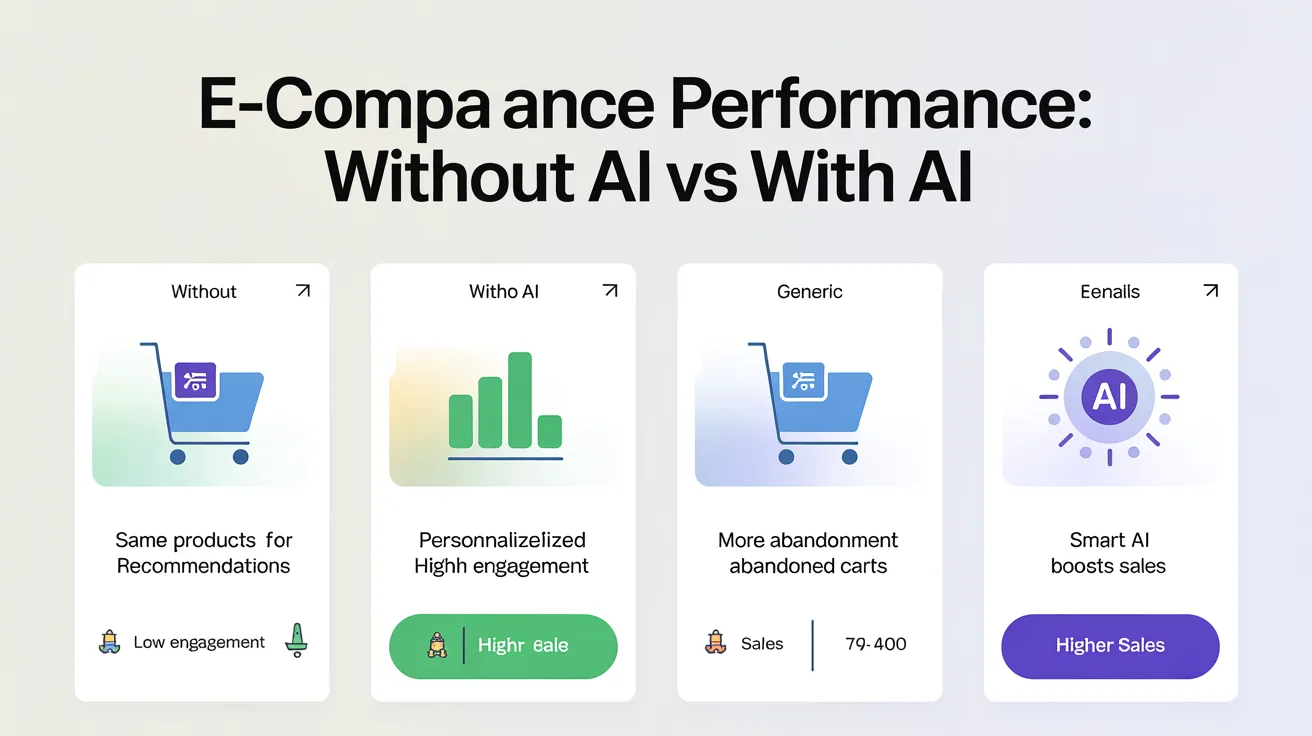
Moreover, technologies such as natural language processing and computer vision have further enriched e-commerce personalization tools. With natural language processing, businesses can now analyze reviews and social media feedback to gauge customer sentiment, thus informing their ai-driven marketing for e-commerce strategies. Similarly, computer vision facilitates image recognition, allowing for visual searches that enhance the personalized shopping experience by directing users to the products they like based on previously visualized items.
Another exciting trend is the development of personalized email marketing ai. By utilizing customer insights gathered through various interactions on e-commerce platforms, marketers can create bespoke email campaigns that resonate with individual preferences, driving higher engagement rates and conversions. Additionally, ai sales optimization tools are increasingly being used to streamline pricing strategies and promotions, adapting offers to individual customers in real time.
These advancements illustrate how AI-powered personalization is not just a fleeting trend but an essential component for e-commerce businesses seeking to thrive in a competitive landscape. By implementing such cutting-edge technologies, online retailers are effectively catering to the evolving needs of consumers, ultimately leading to improved sales outcomes.
Case Studies of E-Commerce Brands Utilizing AI-Powered Personalization
Several leading e-commerce brands have successfully embraced AI-powered personalization to enhance customer engagement and drive sales. A noteworthy example is Amazon, which utilizes AI product recommendations extensively. By analyzing customer behavior and preferences through AI customer behavior analysis, Amazon is able to deliver highly tailored shopping experiences. The platform’s smart recommendation systems recommend products based on browsing history, previous purchases, and items related to those viewed, leading to significantly increased cart sizes and overall sales.
Another prominent example is Netflix, a leader in the subscription streaming industry that has applied machine learning principles to its e-commerce platform. Netflix’s personalized content recommendations employ complex algorithms that analyze viewing habits to predict and suggest shows and movies that customers are likely to enjoy. This not only enhances the personalized shopping experience but also fosters customer loyalty, ultimately leading to an upswing in subscriber numbers and lower churn rates. E-commerce personalization tools used by Netflix have proven vital for retaining engagement and optimizing sales.
Lastly, the clothing retailer ASOS has successfully implemented personalized email marketing ai strategies. By segmenting its customer base using AI-powered analysis, ASOS creates customized marketing campaigns that cater directly to individual preferences and shopping behavior. This approach has resulted in increased open rates and conversion rates for their promotional emails, highlighting the value of ai-driven marketing for e-commerce solutions. These case studies exemplify how AI personalization for online stores can lead to significant enhancements in both sales and customer interaction.
Benefits of AI-Powered Personalization for E-Commerce Businesses
The integration of AI-powered personalization into e-commerce platforms offers significant advantages to businesses seeking to optimize their online presence and drive sales. One of the most compelling benefits is the increase in conversion rates. According to studies, personalized shopping experiences lead to a 20% improvement in conversion rates, as consumers are more inclined to purchase when presented with tailored recommendations based on their previous behavior and preferences.
Another notable benefit of AI personalization for online stores is enhanced customer satisfaction. By employing smart recommendation systems that analyze customer preferences, e-commerce businesses can deliver highly relevant product suggestions. This tailored approach not only enriches the shopping experience but also fosters a sense of connection with the brand. Reports indicate that 63% of consumers expect personalization as a standard of service, and failure to meet these expectations can lead to customer attrition.
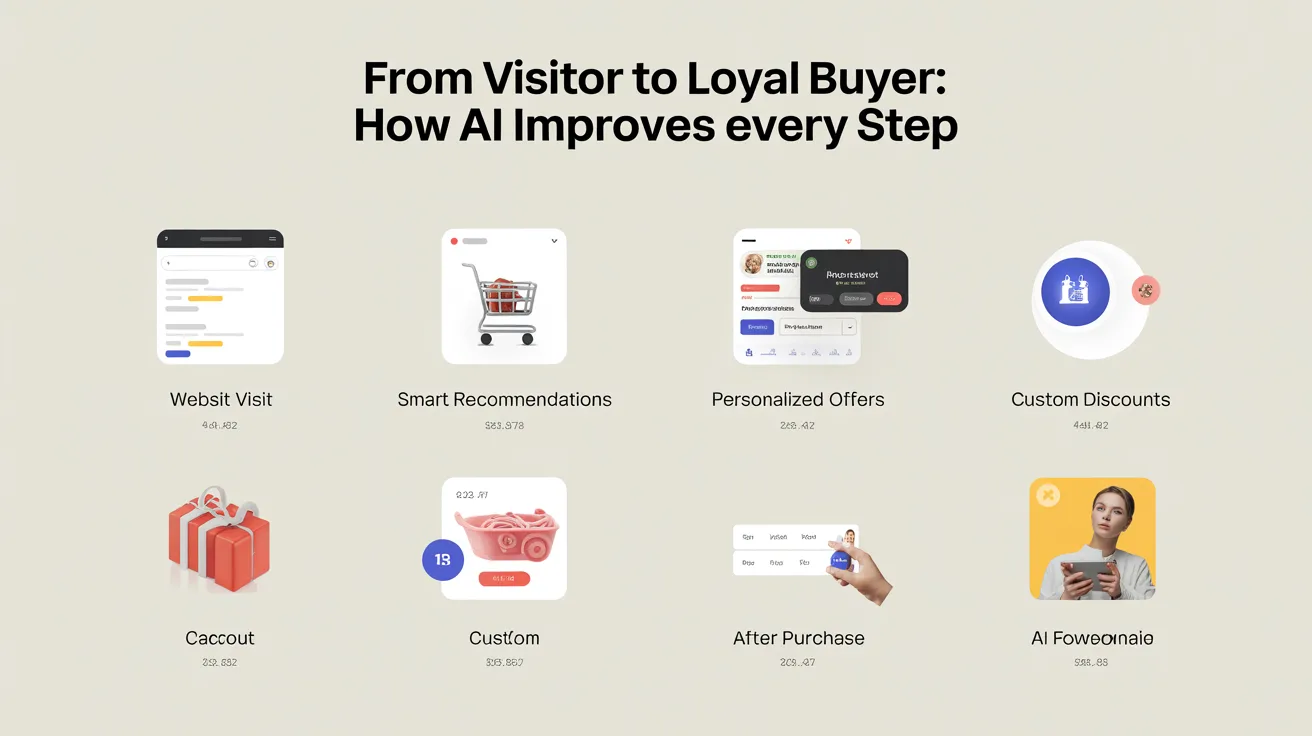
Moreover, AI-driven marketing for e-commerce proves instrumental in improving customer loyalty. Personalized email marketing AI campaigns have shown to generate six times higher transaction rates compared to traditional marketing efforts. By sending curated offers and product recommendations, businesses can engage customers on a more personal level, thereby encouraging repeat purchases and long-term loyalty.
Lastly, AI customer behavior analysis equips businesses with valuable insights, enabling them to refine their strategies continually. By understanding purchasing patterns and preferences, e-commerce companies can leverage AI sales optimization tools to forecast trends and inventory needs effectively. This not only saves costs but also enhances overall operational efficiency.
In conclusion, the benefits of incorporating AI-powered personalization into e-commerce strategies are clear. Through improved conversion rates, heightened customer satisfaction, and strengthened customer loyalty, businesses can achieve a competitive edge in the rapidly evolving online marketplace.
Challenges and Ethical Considerations in AI-Powered Personalization
The integration of AI-powered personalization in e-commerce presents an array of challenges and ethical considerations that must be addressed to ensure a balanced implementation. One of the foremost concerns is data privacy. As businesses increasingly rely on customer data to enhance personalized shopping experiences through AI-driven marketing for e-commerce, they must navigate intricate regulations such as the General Data Protection Regulation (GDPR). This legal framework mandates that customers are informed about the usage of their data, which can pose a challenge for companies that utilize extensive data analysis techniques, including AI customer behavior analysis and machine learning in e-commerce.
Another significant issue is algorithmic bias. AI systems are only as effective as the data they are trained on. If the underlying dataset reflects existing biases, the AI product recommendations generated may inadvertently perpetuate stereotypes or fail to address the needs of diverse consumer segments. Business leaders must be vigilant in their approach to selecting and validating datasets to minimize bias in smart recommendation systems and other e-commerce personalization tools.
Transparency is also critical when deploying AI technologies. Consumers are increasingly concerned about how algorithms operate and influence their purchasing decisions. Providing clarity regarding the functioning of AI sales optimization tools and personalized email marketing AI can foster trust between consumers and brands. Organizations can mitigate these risks by developing ethical guidelines for the use of AI in personalization, which may include regular audits of data usage and algorithmic fairness.
In conclusion, while AI-powered personalization offers promising benefits for e-commerce, navigating the challenges and ethical considerations associated with data privacy, algorithmic bias, and transparency will be essential for achieving long-term success. Addressing these concerns can enhance customer trust and drive sustainable growth in the digital marketplace.
Future Outlook: AI-Powered Personalization Beyond 2026
As we move beyond 2026, AI-powered personalization is poised to redefine the landscape of e-commerce. Emerging trends suggest that businesses will increasingly leverage advanced e-commerce personalization tools to meet evolving consumer expectations. Today’s customers seek tailored interactions and customized shopping experiences, which will only intensify in the future. With the aid of ai-driven marketing for e-commerce, brands will be able to deliver hyper-personalized experiences that foster deeper connections and enhance customer loyalty.
One pivotal advancement in this space is expected to be the refinement of smart recommendation systems. These systems will utilize ai customer behavior analysis to discern purchasing patterns and preferences at an unprecedented scale. By predicting consumer behavior more accurately, businesses can serve up ai product recommendations that resonate on a personal level, transcending traditional marketing models. This shift will enable e-commerce platforms to curate product offerings uniquely suited to each consumer.
Furthermore, the role of personalized email marketing ai is likely to grow substantially. Future algorithms will harness detailed consumer insights to craft compelling narratives and offers, ensuring each email feels relevant and engaging. With continual improvements in ai sales optimization tools, brands will become adept at adjusting their messaging in real time, based on consumer feedback and interactions, thus creating dynamic marketing strategies.
To prepare for these potential advancements, e-commerce businesses must invest in robust AI technologies and maintain a keen awareness of the changing technological landscape. Engaging with machine learning in e-commerce will be vital, as companies that adapt early will have a significant competitive edge. In conclusion, the future of AI-powered personalization holds great promise, and businesses that embrace these changes will be well-positioned to thrive in an evolving marketplace.
Tips for Implementing AI-Powered Personalization in Your E-Commerce Strategy
To effectively incorporate AI personalization for online stores, businesses must adopt a strategic approach that focuses on understanding their customers’ needs and behaviors. Start by conducting a comprehensive analysis of your customer data to identify purchasing patterns, preferences, and trends. This forms the foundation for a personalized shopping experience, allowing you to tailor offerings that resonate with your audience.
Next, explore various e-commerce personalization tools. Numerous platforms leverage machine learning in e-commerce to deliver AI product recommendations that align with user behavior and preferences. Popular tools include dynamic pricing engines, recommendation systems, and chatbots equipped with AI capabilities to enhance customer interactions efficiently. Smart recommendation systems can suggest products based on past purchases or browsing history, significantly improving customer retention rates.
In addition, focus on implementing AI-driven marketing for e-commerce. Utilize AI customer behavior analysis to create targeted advertising campaigns, optimizing engagement and conversion rates. Personalize email marketing specifically using AI to send curated product recommendations or special deals based on user activity. This targeted approach not only fosters customer loyalty but also increases sales through effective engagement.
Furthermore, set clear key performance indicators (KPIs) to track the success of your AI personalization strategies. Metrics such as average order value, conversion rates, and customer satisfaction scores will provide insight into how well the implementation of AI sales optimization tools is performing. Regularly review these metrics and adjust your strategy as necessary to ensure continued growth.
Conclusion and Key Takeaways
The landscape of e-commerce is undergoing rapid transformation, largely influenced by the integration of AI-powered personalization strategies. As we have explored throughout this blog post, adopting AI personalization for online stores not only enhances customer engagement but also significantly boosts sales figures. Businesses looking to remain competitive in 2026 must recognize the necessity of implementing e-commerce personalization tools that leverage the power of machine learning.
AI product recommendations play a critical role in crafting a personalized shopping experience, tailoring suggestions based on individual customer behavior and preferences. This approach not only fosters increased conversion rates but also enhances customer satisfaction, as users feel that their unique needs are being understood and catered to. Moreover, smart recommendation systems are crucial for identifying trends and patterns in AI customer behavior analysis, allowing e-commerce platforms to fine-tune their strategies for optimal results.
Additionally, personalized email marketing powered by AI enables businesses to connect with their audience in a more meaningful way, providing tailored content that resonates with potential buyers. Similarly, utilizing AI sales optimization tools can help streamline marketing efforts, ensuring that resources are spent effectively to achieve maximum reach and impact. The adaptive nature of machine learning in e-commerce allows businesses to pivot swiftly in response to market changes and consumer desires.
In conclusion, businesses that embrace AI-driven marketing for e-commerce not only enhance their operational efficiency but also build lasting relationships with customers. By leveraging these technologies, online retailers can create a shopping experience that is not only engaging but also profitable. As we look ahead to 2026, it is imperative that companies invest in solutions that facilitate AI-driven personalization to secure their market position and drive sustained growth.


