


Introduction to AI in Software Testing
Artificial Intelligence (AI) has emerged as a transformative force in various sectors, including software development. In the context of quality assurance (QA), AI plays a crucial role by enhancing efficiency and accuracy through the integration of machine learning in QA testing processes. As software products grow in complexity, traditional testing methods often fall short, leading to the need for smarter solutions—this is where AI-powered test automation comes into play.
At its core, AI involves creating algorithms that can learn from data, recognize patterns, and make decisions with minimal human intervention. This capability is particularly beneficial in the realm of software testing, where AI-based solutions like ai bug detection software and smart software testing tools can reduce the time and labor required to identify and resolve issues. By automating repetitive tasks, these tools allow QA professionals to focus on more critical aspects of software development, thus improving productivity.
AI’s significance in software testing is underscored by its ability to adapt over time. For instance, self-healing test automation can redefine how testing frameworks respond to changes in the software, ensuring that tests remain relevant and effective. Moreover, the implementation of predictive bug analysis through ai quality assurance tools empowers teams to detect potential issues before they escalate into critical failures. This proactive approach optimizes the overall development process and enhances product quality.
As we navigate through 2026, understanding AI’s evolving role in software testing is essential for software engineers and testers. Embracing ai-driven software development not only simplifies the testing process but also sets the stage for greater innovations in automated regression testing ai. The integration of these advanced technologies promises to continue redefining best practices in QA, ensuring more robust and reliable software solutions.
Current State of Software Testing (2026 Perspective)
As we enter 2026, the landscape of software testing showcases notable transformations, driven by technological advancements and evolving project demands. The focus has distinctly shifted towards automated testing, with a growing reliance on ai-powered test automation and associated frameworks. This transition has arisen from the increasing complexity of software applications and the need for rapid release cycles, making traditional manual testing less feasible.
One of the prominent trends in the industry is the integration of ai bug detection software in various stages of development, enabling early detection of issues through predictive bug analysis. Such tools utilize machine learning in QA testing, allowing teams to analyze historical data and anticipate potential defects before they arise. This proactive approach not only enhances the quality of software but also reduces the time and costs associated with late-stage bug fixes.
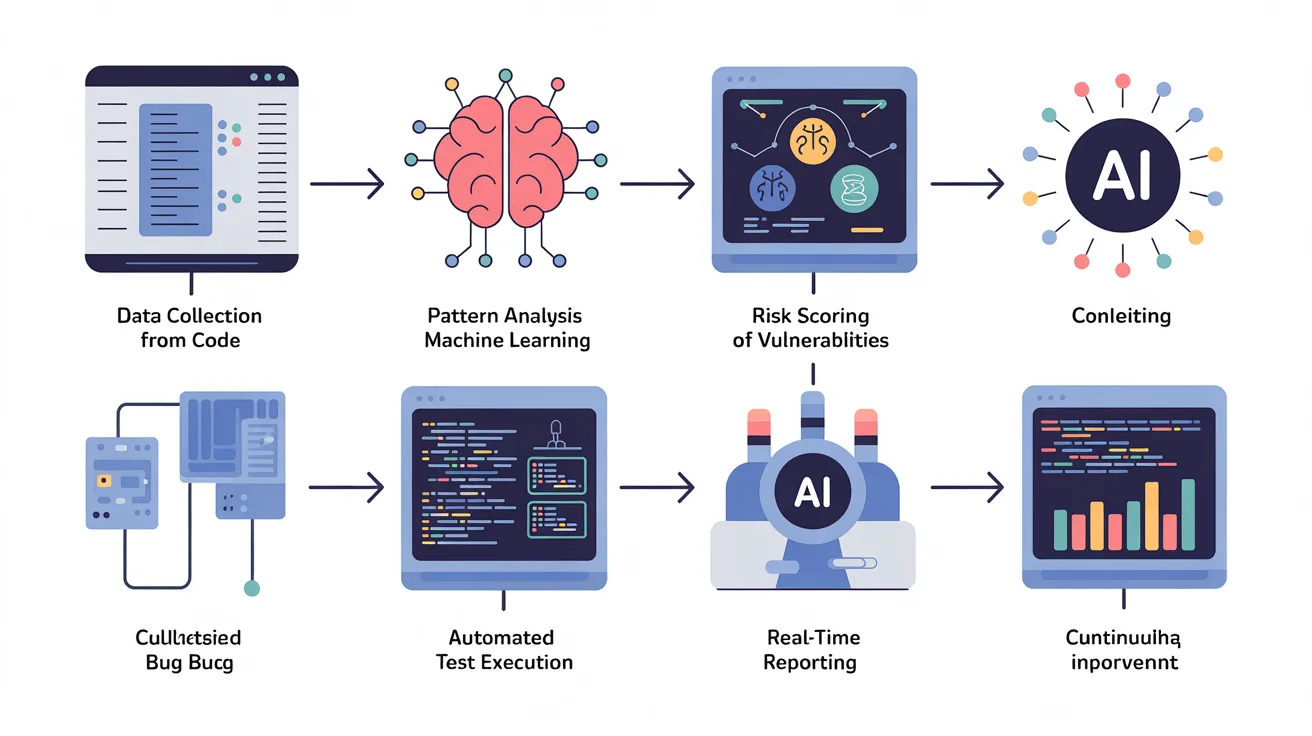
Moreover, automated regression testing ai has become essential in validating continuous updates, ensuring that new features do not disrupt existing functionality. The challenge, however, lies in balancing the automation with necessary human oversight. Although automated testing can efficiently cover repetitive tasks, it is critical for specialized quality assurance teams to address exploratory testing scenarios that demand an intuitive understanding of user experience.
The adoption of smart software testing tools is on the rise, enabling greater synergy between manual testers and their automated counterparts. Still, common challenges such as integrating these tools into existing workflows and maintaining consistent testing quality persist. Opportunities to further evolve testing practices loom on the horizon, especially with advancements in ai quality assurance tools and self-healing test automation, which promise to bridge gaps in traditional methodologies.
How AI Enhances Automation in Software Testing
Artificial Intelligence (AI) is revolutionizing the landscape of software testing and quality assurance by implementing intelligent machine learning models and smart software testing tools. These advances allow for enhanced automation in various phases of the testing process, greatly improving efficiency and accuracy. For instance, AI automated testing tools can analyze vast amounts of code quickly, enabling rapid identification of potential issues before they escalate, which is a fundamental shift in traditional testing methodologies.
One of the most notable contributions of AI in this domain is through the application of machine learning in QA testing. Machine learning algorithms can learn from past testing data, continuously improving and optimizing test cases for future software releases. This gives rise to solutions like self-healing test automation, where the system automatically adjusts tests to accommodate changes in the application, thus reducing the need for constant manual updates and intervention.
Natural Language Processing (NLP) further augments this process by simplifying interactions between humans and testing tools. With NLP, users can create and manage test cases through conversational interfaces, which can significantly lower the barrier for non-technical team members engaging with complex testing setups. Additionally, AI-driven software development tools help in predictive bug analysis, allowing teams to anticipate issues that may arise in the development cycle based on historical data.
Real-world examples illustrate these benefits. For instance, a financial services firm applied AI-powered test automation to streamline their regression testing process, significantly reducing testing time and resource consumption. They reported up to a 40% increase in productivity from their testing teams, while also experiencing fewer post-release bugs. Such case studies exemplify the transformative potential of AI in automating testing processes, positioning organizations to not only enhance quality assurance but also adapt to the rapid changes in today’s software development landscape.
AI-Powered Bug Detection Techniques
As the digital landscape becomes increasingly complex, the need for sophisticated bug detection methodologies gains significance. AI-powered bug detection techniques are at the forefront of this transformation, leveraging advancements in machine learning in QA testing to enhance the software quality assurance process. One of the core methodologies employed is anomaly detection, which identifies deviations from expected behavior by analyzing vast datasets. This approach allows teams to pinpoint bugs that might not be evident through traditional testing methods, effectively reducing the time spent on identifying issues.
Another critical technique is automated regression testing AI, which ensures that new changes to the software do not introduce new bugs. By utilizing ai bug detection software, QA teams can automatically retest functionalities after modifications, providing reassurance that existing features remain intact while simultaneously detecting any faults introduced during development. This self-healing test automation capacity significantly minimizes manual efforts and thereby increases efficiency.
The integration of pattern recognition technologies also plays a crucial role. AI algorithms can analyze historical testing data to identify common patterns in software failures and predict potential new bug occurrences. This predictive bug analysis enables proactive measures, allowing software teams to resolve issues before they escalate.
Furthermore, smart software testing tools grounded in AI quality assurance tools provide visibility into the entire testing process. These tools can optimize test case creation, selection, and execution, ensuring the most critical paths are tested thoroughly. In contrast to conventional approaches, AI-powered test automation dramatically enhances the speed and accuracy of testing cycles, thereby facilitating a more reliable and efficient software development cycle.
The Role of AI in Continuous Testing
The integration of artificial intelligence (AI) into the realm of software testing has emerged as a groundbreaking enhancement, especially within the frameworks of continuous integration and continuous deployment (CI/CD). Continuous testing is a vital component of modern agile development methodologies, and AI plays an instrumental role in streamlining these practices.
AI automated testing tools facilitate continuous testing by optimizing the testing cycles, thereby enabling software development teams to rapidly identify and address issues throughout the development process. With traditional testing methods, the time spent on manual testing can significantly delay the deployment of software updates. However, AI-driven software development leverages machine learning in QA testing to analyze data in real-time, allowing teams to execute fast-paced, iterative tests.
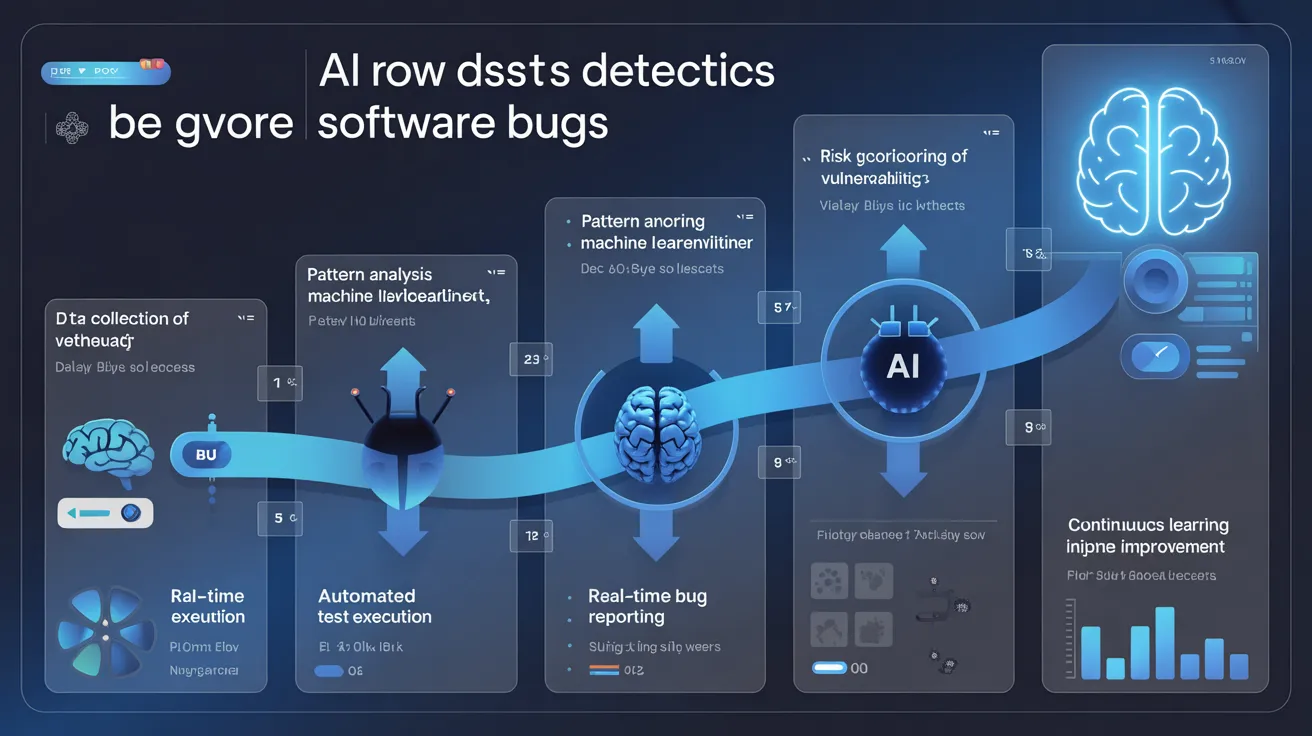
Moreover, using AI-powered test automation significantly shortens testing cycles. For instance, automated regression testing AI can run a substantial number of tests simultaneously, ensuring that changes to the code do not introduce new bugs. This not only reduces the workload but also improves the efficiency of the quality assurance workflow. Additionally, AI quality assurance tools now enable rapid feedback loops, providing developers with immediate insights into the status of their code and any potential defects. As a result, this leads to a faster time to market, which is essential in today’s competitive software landscape.
AI also incorporates predictive bug analysis, allowing developers to anticipate where bugs may arise based on historical data. This proactive approach, supported by smart software testing tools, reduces the incidence of defects and minimizes the disruption to the development timeline. Furthermore, self-healing test automation aids in maintaining test accuracy by automatically updating tests when changes are made, thus ensuring ongoing testing relevance.
Incorporating AI into continuous testing not only enhances the development process but also fosters innovation, equipping teams with the agility to adapt to changing project demands. As the landscape of quality assurance evolves, AI continues to pave the way for improved testing strategies and outcomes.
Challenges and Limitations of AI in Software Testing
The integration of AI into software testing and bug detection presents several challenges that organizations must navigate to fully realize the benefits of ai automated testing tools and ai bug detection software. One of the primary concerns is the quality of data used to train AI models. Inconsistent, incomplete, or biased data can lead to inaccurate predictive bug analysis, undermining the reliability of ai-powered test automation. Ensuring that the data is clean, relevant, and representative is critical for the effective functioning of these smart software testing tools.
Moreover, the implementation of machine learning in QA testing requires personnel who are not only IT-skilled but also versed in both the technical aspects of AI and the intricacies of software quality assurance. The shortage of qualified individuals who can harness ai quality assurance tools may impede progress and innovation in the field. Organizations often struggle to find employees with the right mix of technical capabilities and understanding of AI-driven software development.
Another issue is the potential bias inherent in AI algorithms. If the training data contains biases, the resulting AI model can perpetuate these biases, leading to faulty automated regression testing ai. This not only affects the quality of the tests but could also have far-reaching implications for users of the software. Organizations must remain vigilant in auditing AI systems and algorithms regularly to detect and mitigate these biases.
Lastly, there is frequently resistance to change among teams transitioning to AI-enhanced processes. Employees may be hesitant to adopt self-healing test automation and other AI-driven advancements, leading to further delays in implementation. To overcome this resistance, companies can foster a culture of continuous learning and open communication, providing training and support to address concerns associated with AI integration. Developing strategies to counter these hurdles will be essential for making the most of AI’s transformative potential in quality assurance.
Future Trends: What’s Next for AI in Testing?
As we envision the future of quality assurance, particularly beyond 2026, it is evident that AI will play a crucial role in transforming software testing and bug detection. AI automated testing tools are expected to evolve significantly, incorporating more sophisticated algorithms and machine learning models that enhance accuracy in defect identification. In particular, AI-driven software development will likely see a rise in utilizing predictive bug analysis to anticipate potential vulnerabilities before they can affect users.
The integration of AI with other emerging technologies will also redefine the testing landscape. For instance, the pairing of smart software testing tools with blockchain technology could lead to unparalleled levels of data integrity and transparency in test results. Moreover, the Internet of Things (IoT) presents opportunities for AI-powered test automation to adapt to varied testing environments, providing more robust assessments across interconnected devices.
Furthermore, the push towards self-healing test automation will gain traction, where AI quality assurance tools can automatically diagnose and fix issues within test scripts. This will not only expedite the testing process but also reduce maintenance overhead, allowing teams to focus on higher-level testing strategies.
Experts predict that with the increasing complexity of software applications, the demand for ai bug detection software will necessitate even greater innovation. Automation in regression testing via AI will help maintain software quality while accommodating rapid development cycles. As organizations continue to embrace machine learning in QA testing, they will likely experience enhanced efficiency and effectiveness in their quality assurance efforts.
In conclusion, the future trajectory of AI in testing will be characterized by synergistic advancements and automation innovations, fundamentally reshaping how quality assurance is approached in the software development lifecycle.
Case Studies: Successful AI Integration in Companies
Several leading companies have successfully integrated AI into their software testing processes, effectively transforming their quality assurance efforts. One notable example is TechCorp, a software development firm that faced significant challenges with manual testing due to rapid product releases. With the implementation of AI-powered test automation, TechCorp reduced its testing time by 60%, leveraging machine learning in QA testing to enhance test case generation and execution. The company’s adoption of smart software testing tools also allowed for effective automated regression testing AI, significantly improving their product’s quality and user satisfaction.
Another impressive case is that of FinServ Solutions, a financial services provider that struggled with traditional bug detection methods. They turned to AI bug detection software to automate their testing process. After implementing self-healing test automation, the firm reported a 30% reduction in post-release defects. AI-driven software development enabled their teams to predict and preemptively address potential issues, ensuring compliance with rigorous regulatory standards. Through predictive bug analysis, FinServ Solutions not only saved time but also boosted overall operational efficiency.
Lastly, InnovateSoft, a startup specializing in mobile applications, integrated AI quality assurance tools to adapt to its evolving warranty demands. InnovateSoft leveraged AI-driven patterns recognized through machine learning algorithms to identify and prioritize bugs swiftly. This strategic implementation resulted in a 50% improvement in test accuracy and a 40% cut in manual testing costs. Through these successes, the company established itself as a leader in agile software development, highlighting the significant impact of AI in streamlining testing processes.
These case studies exemplify how organizations can overcome challenges in software testing by embracing AI technologies. The results achieved by these companies demonstrate that integrating AI into quality assurance processes not only enhances efficiency but also significantly improves product quality.
Conclusion and Key Takeaways
As we look ahead to 2026, it is evident that AI is not merely a trend but a pivotal player in transforming the landscape of software testing and bug detection. The adoption of AI automated testing tools and AI bug detection software is reshaping traditional methodologies, making them more efficient and reliable. Through advanced techniques such as machine learning in QA testing, organizations are able to optimize their testing processes, resulting in higher quality software delivered in shorter timeframes.
AI-powered test automation and self-healing test automation are revolutionizing how testing suites function, allowing for more resilient and adaptable testing strategies. These innovations enable predictive bug analysis, which anticipates potential issues before they manifest, thereby reducing downtime and associated costs. Moreover, the incorporation of smart software testing tools is enhancing test coverage and helping teams respond proactively to defects.
Additionally, the integration of automated regression testing AI empowers developers to make informed decisions throughout the software development lifecycle. AI-driven software development enhances collaboration across departments, creating a seamless feedback loop that further refines product quality. Therefore, embracing AI quality assurance tools is not just advisable but essential for organizations striving to maintain competitiveness in an ever-evolving digital landscape.
In conclusion, the path forward is clear: organizations must adopt a forward-thinking attitude towards quality assurance by integrating AI capabilities into their testing processes. This proactive approach ensures that developers and testers alike can leverage the benefits of automation while ensuring the delivery of robust, high-quality software solutions.


