


Introduction to AI Trends
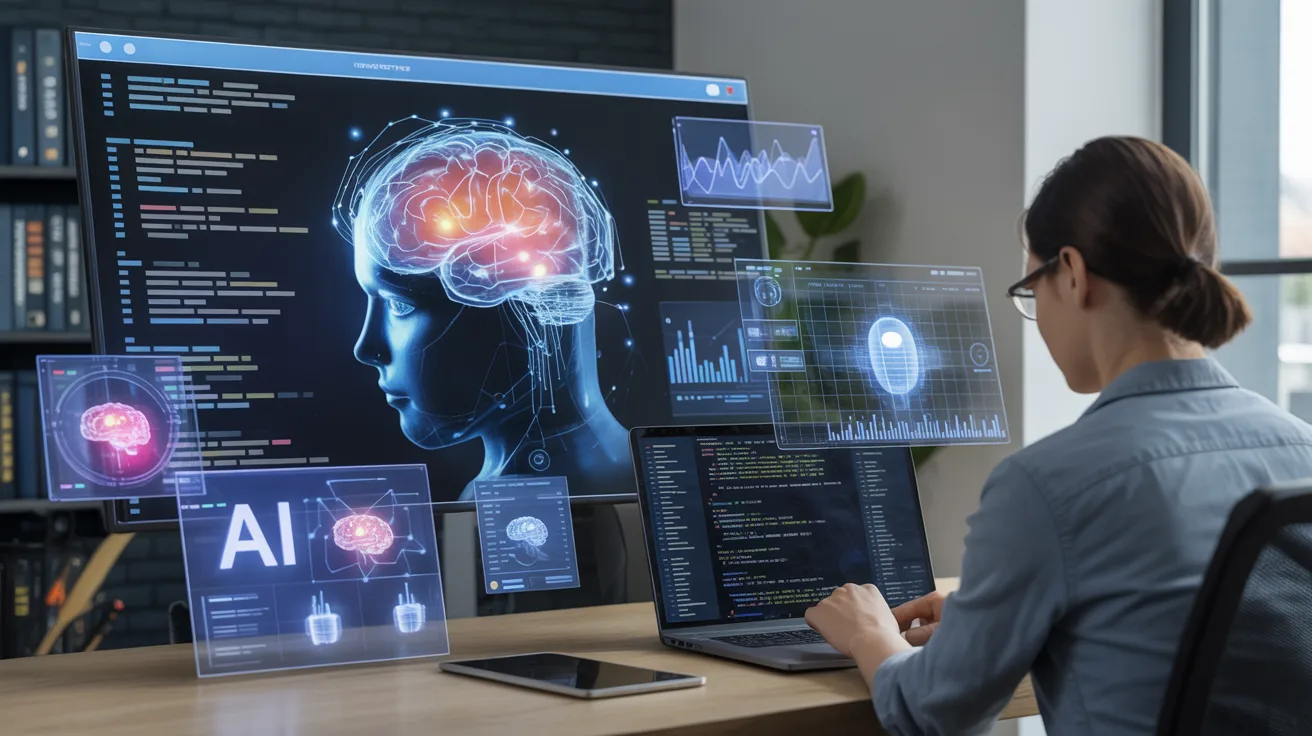
In today’s rapidly evolving digital landscape, the influence of artificial intelligence is becoming increasingly significant across various sectors, particularly for bloggers, marketers, and content creators. The advent of AI trends has transformed the way content is generated, marketed, and consumed. This ongoing evolution necessitates a keen understanding of the emerging AI marketing trends to remain competitive and effective in reaching audiences.
With the growing reliance on technology, the integration of AI tools for digital marketing and AI for bloggers has become essential. These tools not only enhance productivity but also ensure that content resonates with its intended audience. From automating repetitive tasks to providing insightful analytics, AI empowers creators to optimize their strategies proactively. The ability to harness ai-powered content opens up new avenues for engagement and personalizes user experiences.
Furthermore, as the creator economy AI continues to thrive, the demand for innovative and high-quality content grows. This shift underscores the importance of staying current with the latest developments in content creation with AI. Whether it is through enhanced writing tools or advanced marketing strategies, understanding and applying AI for marketers can significantly improve the efficacy of campaigns.
This blog post aims to explore crucial topics related to these trends, including the role of AI in content creation, its implications for marketing strategies, and the potential for improved audience engagement. By analyzing these aspects, we can better understand how to effectively leverage artificial intelligence in our workflows and strategies moving forward.
Content Generation and AI Tools
As we venture further into 2023, the integration of AI tools for content generation continues to shape the landscape of digital marketing and blogging. These AI-driven solutions empower bloggers and marketers, providing innovative methods to enhance productivity, creativity, and consistency in their work. Among the plethora of AI for bloggers and marketers, AI writing assistants stand out as invaluable tools. These applications utilize advanced algorithms to assist content creators in drafting blog posts, articles, and other written content. By automating the writing process, these tools save time and reduce the cognitive load on creators, allowing them to focus on higher-level strategic tasks.
In addition to writing assistants, AI for content generation includes sophisticated image and video generation software. These tools leverage machine learning to produce high-quality visual content that aligns with the creator’s vision. For example, platforms that utilize AI-powered content generation can create custom graphics and videos from just a few textual prompts, making them essential tools for marketers aiming to engage their audience across multiple digital channels. This increased accessibility to multimedia content creation is revolutionizing the creator economy, enabling even novice creators to produce professional-grade materials with ease.
Another notable development in the world of AI tools for digital marketing is automated content curation. These systems analyze vast amounts of online data, identifying trending topics and relevant articles that can be shared or repurposed by marketers and bloggers. By streamlining content curation, these AI tools not only enhance the quality of shared content but also ensure that marketers stay ahead of the curve in the rapidly evolving environment of AI marketing trends.
Personalization and AI in Marketing
In the rapidly evolving landscape of digital marketing, the integration of Artificial Intelligence (AI) is fundamentally transforming how brands engage with their audiences. Personalization, fueled by AI technologies, has emerged as a pivotal trend in marketing strategies. By leveraging data-driven insights, marketers can now target specific audience segments with unprecedented accuracy. This shift enhances the customer experience, making communications more relevant and impactful.
AI for marketers typically involves utilizing tools that analyze vast amounts of data collected from various digital touchpoints. These tools enable marketers to gain insights into consumer behavior, preferences, and purchasing patterns. Predictive analytics plays a significant role in this context, offering the ability to anticipate customer needs. Through machine learning algorithms, AI can identify trends and predict future behaviors, allowing marketers to craft personalized marketing messages that resonate with individuals.
The integration of AI in personalization goes beyond simple demographic segmentation. It empowers brands to tailor their content strategies to match specific user interests and requirements, significantly enhancing conversion rates. For instance, AI-powered content generation can automatically create unique messages aligned to different audience profiles, ensuring that each campaign feels personalized. As a result, the overall engagement levels can increase, and businesses can realize superior ROI on their marketing efforts.
As we look ahead to 2023, the potential of AI tools for creators and marketers is vast. The implementation of these technologies will continue to evolve, providing marketers with fresh avenues to personalize their campaigns. Embracing AI marketing trends is no longer a choice but a necessity for brands seeking to stay competitive. The future of marketing lies in the ability to integrate these smart solutions to connect more profoundly and authentically with customers.
SEO and AI: Shaping Search Visibility
In recent years, the integration of artificial intelligence (AI) in search engine optimization (SEO) has revolutionized the way content is created and optimized for visibility. AI trends have reshaped the landscape of digital marketing, providing powerful tools that assist bloggers and marketers in enhancing their website rankings. One notable advancement is the introduction of AI-driven SEO tools that analyze user behavior and search patterns. These tools enable creators to tailor their content strategies effectively, aligning with evolving search algorithms.
With the continuous updates to AI algorithms by major search engines, it has become imperative for digital marketers to stay abreast of the latest AI marketing trends. For instance, AI can now process vast amounts of data in real-time, enabling marketers to derive insights about their audience and optimize their content accordingly. Furthermore, AI-powered content helps identify the right keywords and phrases that resonate with readers, significantly improving search visibility.
Moreover, the relationship between AI and SEO extends to optimizing technical aspects of websites. AI tools for digital marketing can automate the auditing of websites, ensuring that they comply with SEO best practices. This includes identifying issues such as broken links, slow loading speeds, and mobile responsiveness, which can hinder a page’s ranking potential. Bloggers leveraging AI for these technical optimizations find that their content performs better in search results, enhancing visibility and attracting more visitors.
Ultimately, the use of AI in content creation, optimization techniques, and performance analysis empowers creators and marketers to craft more competitive strategies. As the creator economy evolves with the integration of AI, it is essential for those involved in blogging with AI to comprehend these trends to maintain an edge in the digital landscape.
AI-Powered Analytics and Insights
Artificial intelligence is revolutionizing how bloggers and marketers analyze data, allowing for more informed decision-making through AI-powered analytics and insights. The ability to harness real-time data provides significant advantages in understanding blog performance, audience behavior, and the effectiveness of marketing campaigns. With AI tools for creators, data can be processed and interpreted at an unprecedented scale.
One key benefit of leveraging AI for analytics is the capability to track metrics beyond mere page views. Advanced algorithms can delve deeper into user engagement, providing insights into user retention, bounce rates, and the best-performing content. This information is invaluable for bloggers, as it aids in tailoring content strategies to meet the needs and preferences of their audience. Moreover, AI for marketers facilitates segmentation, allowing for more personalized marketing tactics, ultimately enhancing the effectiveness of campaigns.
Another noteworthy aspect of AI in analytics is its predictive capabilities. By analyzing historical data, AI can foresee trends and outcomes, enabling bloggers and marketers to make proactive adjustments to their strategies. By understanding potential future behavior, creators can optimize their content creation with AI, ensuring they remain ahead in the competitive digital landscape.
Integrating AI tools for digital marketing not only improves efficiency but also provides deep insights that are foundational to strategic planning. As the creator economy continues to grow, those adopting AI marketing trends will have a distinct advantage, utilizing powerful analytics to refine their content and marketing approaches. This integration of AI-powered analytics and insights is crucial for creators looking to enhance their engagement and maximize their impact on their target audience.
Ethical Considerations in AI Usage
As the adoption of AI trends accelerates across various domains, including blogging, marketing, and content creation, the ethical implications of these technologies have drawn significant attention. One major concern surrounds bias in AI algorithms, which can lead to skewed or unfair outcomes. For instance, AI systems are trained on data sets, and if these sets are unbalanced or flawed, the AI may perpetuate existing stereotypes or disproportionately benefit certain demographics. This highlights the need for developers and creators to ensure their AI tools are built on diverse and representative datasets to cultivate fairness in AI-powered content generation.
Another critical issue is data privacy. As AI for bloggers and marketers leverages consumer data to tailor content and provide personalized recommendations, it is imperative that ethical standards regarding data collection and usage are maintained. Users should be informed about how their data is being utilized and given control over their personal information. Transparency is vital in building trust between creators and their audiences, as a breach of privacy can result in significant reputational damage and loss of customer loyalty.
In this evolving landscape, creators have a responsibility to adopt AI tools for digital marketing and content creation judiciously. This involves being aware of the implications of using these technologies and striving to uphold ethical practices throughout their content strategies. Emphasizing accountability not only enhances the integrity of the creator economy AI but also encourages responsible marketing practices. A balanced approach to integrating AI in content creation not only enhances efficiency but also aligns with ethical values, safeguarding the interests of both creators and their audiences.
Future Skills for Creators and Marketers
The integration of artificial intelligence in content creation and marketing has transformed the landscape for bloggers, marketers, and creators. As AI technologies continue to advance, it has become imperative for professionals in these fields to develop a set of skills that will enable them to thrive in an AI-dominated environment. These essential skills include data literacy, technical proficiency with AI tools, and adaptability to new trends.
Data literacy stands out as a critical skill for marketers and content creators working in this new paradigm. Understanding how to interpret data generated by AI-powered content generation tools is vital for making informed decisions. This capability allows professionals to analyze audience behavior, optimize campaigns, and improve content strategies. With AI trends reshaping how data is collected and used, creators who can harness these insights will have a significant competitive advantage.
Another crucial skill in this evolving landscape is technical proficiency in AI tools. As numerous AI tools for creators gain prominence, familiarity with these applications—such as AI-powered analytics, content generation, and image creation—can significantly enhance productivity. Marketers who leverage these advanced technologies can streamline their workflows and produce engaging content at scale. The ability to navigate and utilize AI tools effectively will define success in digital marketing.
Finally, adaptability is essential for keeping pace with the dynamic nature of AI marketing trends. The rapid evolution of AI technologies necessitates that bloggers and marketers remain open to continuous learning and skill development. Embracing new tools and strategies is critical for staying relevant in a landscape that sees frequent changes in audience expectations and technology.
In conclusion, the future of content creation and marketing will depend significantly on the ability to acquire and hone these skills. By focusing on data literacy, technical proficiency in AI tools, and a willingness to adapt, professionals can effectively leverage AI trends and position themselves for success in the creator economy.
Real-World Case Studies and Success Stories
As AI trends continue to reshape the landscape of content creation and digital marketing, several noteworthy examples illustrate how bloggers, marketers, and creators have successfully incorporated AI into their practices. These case studies offer both inspiration and insight for professionals seeking to leverage AI for enhanced effectiveness.
One of the prominent success stories comes from a popular lifestyle blogger who utilized AI tools for content creation. By employing an AI-powered content generator, she was able to streamline her writing process, producing tailor-crafted articles based on trending topics and audience engagement data. This approach not only accelerated her publishing schedule but also significantly improved her engagement metrics across social media platforms, demonstrating the potential of AI for bloggers aiming to maximize reach and influence.
In the marketing domain, a notable case involves a digital marketing agency that adopted AI tools for customer segmentation and targeting. Using machine learning algorithms, the agency analyzed vast datasets to refine their client’s advertising strategies. As a result, they achieved a remarkable increase in conversion rates and return on ad spend. This example highlights the effectiveness of AI for marketers in optimizing campaign outcomes while reducing costs, illustrating the value that data-driven decision-making can provide.
Creators in the entertainment sector have also harnessed AI to enhance user experiences. For instance, a successful content creator on a video-sharing platform employed AI algorithms to analyze viewer preferences, enabling personalized recommendations and dynamic content curation. This innovative use of AI not only boosted viewer engagement but also fostered a deeper connection with the audience, showcasing the possibilities of integrating AI into strategies focused on community building.
These case studies reveal that the integration of AI into blogging, marketing, and content creation is not merely a trend, but a substantial movement that redefines how creators engage with their audiences. By studying these examples, professionals can extract valuable lessons about the future of the creator economy and the effective application of AI tools in their own strategies.
Conclusion: Embracing AI for Future Growth
As we navigate through the evolving landscape of digital content and marketing, it becomes increasingly evident that embracing AI trends is not just advantageous but essential for bloggers, marketers, and creators. The integration of AI tools for creators allows for enhanced content creation with AI, empowering professionals to streamline their workflows and produce high-quality material that resonates with their audience.
In the competitive world of blogging with AI, leveraging effective AI marketing trends can drive engagement and foster a community around one’s brand. By adopting AI-powered content strategies, writers can generate insights and analytics that inform their approach, ensuring relevance in a rapidly changing market. Moreover, the creator economy AI tools present new avenues for monetization and audience interaction, thereby offering a broader scope for professional growth.
To remain at the forefront of innovation, it is imperative for content creators and marketers to stay informed about these advancements. Exploring and experimenting with AI for bloggers isn’t merely an option but a necessity. Engaging with AI tools for digital marketing can significantly enhance the quality of content, optimize marketing strategies, and ultimately, achieve business goals. The future of content creation and marketing lies in the thoughtful implementation of AI technologies, making it a pivotal time to embrace these tools. By adopting a proactive stance toward AI integration, professionals can ensure they remain competitive and innovative, ready to meet the demands of tomorrow’s digital landscape.